Why Choose Food-Grade Neotame Powder for Your Brand?
When it comes to selecting the ideal artificial sweetener for your brand's product line, food-grade Neotame Powder stands out as an exceptional choice that delivers unmatched sweetness intensity and versatility. This advanced high-intensity sweetener offers brands the opportunity to create superior low-calorie products while maintaining excellent taste profiles and cost-effectiveness. As manufacturers across the nutraceutical, pharmaceutical, cosmetic, and food industries seek reliable sweetening solutions, Neotame's proven track record and regulatory compliance make it an essential ingredient for competitive product development.
Understanding Food-Grade Neotame Powder: What Makes It Essential for Your Brand?
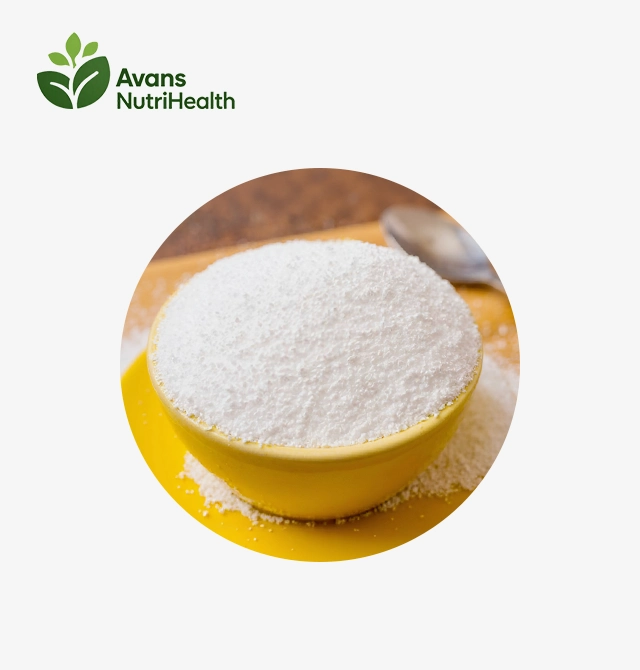
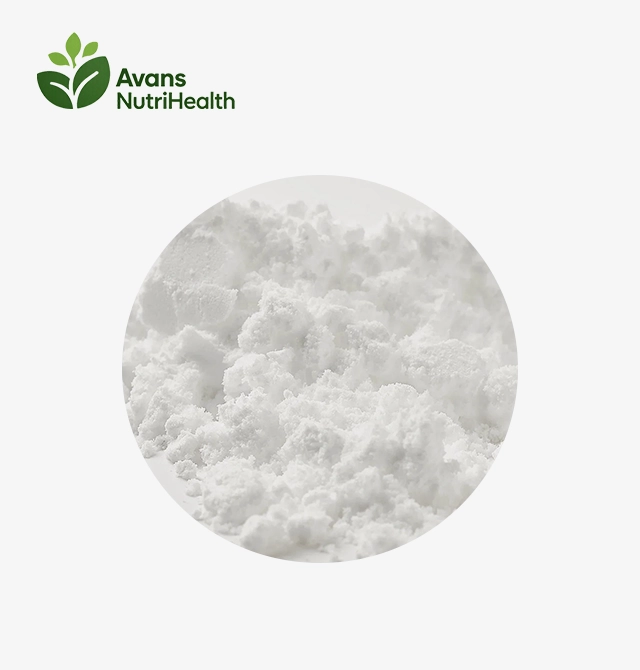
Food-grade Neotame powder represents a breakthrough in artificial sweetener technology, delivering extraordinary sweetness levels that transform product formulations across multiple industries. This white to off-white crystalline powder, known chemically as E961 with CAS number 165450-17-9, provides a sweetness intensity approximately 7,000 to 13,000 times greater than traditional sugar.
Chemical Composition and Nutritional Profile
The atomic structure of Neotame is inferred from aspartic acid and phenylalanine, comparable to aspartame but with improved solidness characteristics. Not at all like its forerunner, this sweetener keeps up auxiliary judgment beneath different handling conditions, counting tall temperatures and diverse pH levels. The compound's interesting chemical adjustment permits it to stand up to breakdown amid fabricating forms whereas giving reliable sweetening control all through item rack life.
From a wholesome point of view, Neotame contributes for all intents and purposes zero calories to wrapped up items, making it perfect for diabetic-friendly and weight administration details. The sweetener's non-cariogenic properties bolster dental wellbeing claims, whereas its negligible effect on blood glucose levels aligns with present-day buyer wellbeing preferences.
FDA Approval Status and Global Regulatory Compliance
Regulatory endorsement speaks to a basic thought for procurement directors assessing sweetening fixings. The FDA allowed Neotame endorsement in 2002 following broad security concerns, with the European Union following suit in 2010. Current certifications incorporate FDA, Halal, BP, CP, and FSSC22000 benchmarks, guaranteeing compliance across different worldwide markets.
The daily admissions (ADI) built up by administrative specialists stand at 0.3 mg per kg of body weight in the United States and 2 mg per kg in the European Union. These security edges give significant headroom for normal nourishment applications, with evaluated day by day utilization levels remaining well underneath set up thresholds.
Safety Parameters and Metabolism Considerations
Neotame Powder pathways make a difference acquirement groups address shopper security concerns successfully. When ingested, Neotame experiences quick digestion system and disposed of through ordinary forms. Not at all like aspartame, the altered structure altogether diminishes phenylalanine discharge, making it for the most part reasonable for people with phenylketonuria concerns, in spite of the fact that item labeling necessities still apply.
Research demonstrates no carcinogenic or mutagenic properties, with comprehensive studies supporting its safety profile over differing populace bunches. The Center for Science in the Open Intrigued has classified Neotame as safe for common utilization, fortifying certainty in its commercial application.
Comparing Neotame Powder with Other Sweeteners: Making the Right Choice for Your Product Line
Strategic sweetener selection requires a comprehensive evaluation of functional and economic factors that impact product performance and market acceptance. Understanding how Neotame compares against established alternatives enables procurement teams to make data-driven decisions aligned with specific product requirements and consumer expectations.
Sweetness Intensity and Taste Profile Analysis
Neotame's uncommon sweetness sets it apart from routine counterfeit sweeteners in the market. Whereas aspartame gives roughly 200 times the sweetness of sugar, and sucralose conveys 600 times sugar's sweetness, Neotame accomplishes sweetness levels extending from 7,000 to 13,000 times that of sucrose. This exceptional power translates specifically into taking a toll on reserve funds through decreased utilization amounts and improved detailing flexibility.
The taste profile characteristics recognize Neotame from competitors through clean sweetness conveyance without the metallic delayed flavor impression commonly related with saccharin or the severe notes now and then show in stevia extracts. Not at all like acesulfame potassium, which frequently requires mixing with other sweeteners to veil off-flavors, Neotame gives a steady taste quality as a standalone ingredient.
Processing Benefits and Thermal Stability
Manufacturing considerations play a significant part in sweetener determination, especially for items requiring warm treatment or extended handling times. Neotame illustrates predominant warm steadiness compared to aspartame, which breaks down quickly under high-temperature conditions. This steadiness advantage empowers its use in heated products, confectionery things, and heat-processed refreshments where other sweeteners fall short to keep up sweetening power.
PH stability speaks to another critical advantage, with Neotame keeping up usefulness over acidic and alkaline conditions that would degrade less steady options. This flexibility bolsters differing application conceivable outcomes from carbonated refreshments to dairy items with changing pH profiles.
Cost-Benefit Analysis and Return on Investment
Economic assessment uncovers compelling focal points when considering add up to definition costs or maybe than straightforward fixing estimating. The extraordinary power of Neotame implies that diminutive amounts accomplish wanted sweetness levels, regularly resulting in lower per-unit costs compared to less strong choices requiring higher utilization rates.
Bulk obtaining openings and provider connections can improve fetched adequacy, especially for high-volume producers looking for steady supply chains. Long-term contracts with certified providers like Avans NutriHealth give cost stability and quality confirmation that bolsters unsurprising generation costs and edge protection.
Sourcing Food-Grade Neotame Powder: Key Procurement Criteria and Best Practices
Establishing reliable supply chains for high-quality Neotame requires careful evaluation of manufacturing capabilities, certification standards, and logistical considerations that impact both product quality and operational efficiency.
Identifying Reputable Manufacturers and Suppliers
Supplier capability starts with confirming fabrication accreditations and quality administration frameworks that guarantee steady item determinations. See for providers keeping up comprehensive certifications counting ISO frameworks, BRC, FSSC22000, and significant devout certifications such as Halal and Legitimate endorsements. These certifications illustrate a commitment to quality control forms and administrative compliance over worldwide markets.
Neotame Powder and innovative capabilities demonstrate a supplier's capacity to meet volume prerequisites whereas keeping up quality benchmarks. Providers with devoted R&D groups and advanced generation offices ordinarily give way better specialized back and item consistency compared to smaller operations with restricted resources.
Critical Procurement Factors and Documentation Requirements
Minimum order quantities (MOQ) and estimating structures change altogether among providers, requiring cautious assessment of financial matters versus stock administration considerations. Set up providers regularly give layered estimating based on volume commitments, empowering fetched optimization for customary buyers, while keeping up adaptability for littler orders amid item advancement phases.
Certificate of Investigation (COA) documentation serves as basic quality confirmation, affirming that each group meets the indicated quality benchmarks and administrative necessities. Comprehensive COA reports ought to incorporate heavy metals testing, microbiological investigation, moisture content confirmation, and sweetness strength affirmation. These records support administrative compliance and quality assurance programs essential for buyer item safety.
Logistics and Supply Chain Management
Shipping contemplations include both taken a toll optimization and item astuteness amid transportation. Neotame's steadiness focuses diminish uncommon dealing with prerequisites compared to more delicate sweeteners, but appropriate packaging and capacity conditions stay imperative for keeping up item quality throughout the supply chain.
Lead time administration requires coordination between generation plans and provider capabilities, especially amid crest request periods or when presenting unused product lines. Solid providers give exact conveyance plans and communicate potential delays proactively to back generation arranging and inventory management.
Sample securing programs empower careful item assessment, some time recently committing to expansive orders, supporting R&D exercises and quality confirmation forms. Dynamic providers offer comprehensive inspection programs counting specialized information sheets and application directions to encourage fruitful item integration.
Implementing Neotame Powder in Your Product Formulations: Guidance for Engineering and R&D Teams
Successful integration of Neotame into existing product formulations requires understanding its functional characteristics and optimization techniques that maximize both sensory appeal and processing efficiency.
Sweetness Calibration and Flavor Preservation
Precise sweetness calibration speaks to the foundation of fruitful Neotame usage, given its exceptional strength compared to conventional sweeteners. R&D groups must set up exact measurement conventions that account for the sweetener's concentration while considering flavor intuition and buyer taste inclinations. Beginning with traditionalist dose levels and continuously altering upward anticipates over-sweetening that seems to compromise item acceptance.
Flavor conservation procedures ended up especially imperative when replacing sugar or other bulk sweeteners that contribute textural and flavor complexity beyond basic sweetness. Neotame's clean taste profile underpins flavor upgrade or maybe than veiling, but definition alterations may be fundamental to compensate for misplaced body and mouthfeel customarily given by sugar.
Ingredient Compatibility and Processing Considerations
Compatibility testing guarantees that Neotame coordinates easily with other equation components without causing precipitation, crystallization, or other stability issues. The sweetener's improved solidness compared to aspartame decreases compatibility concerns, but intensive testing remains fundamental for complex definitions containing different dynamic fixings or challenging pH conditions.
Processing parameter optimization may require alterations to blending times, temperatures, or sequencing to accomplish ideal scattering and steadiness. Neotame's great dissolvability characteristics encourage consolidation into fluid frameworks, whereas its steadiness bolsters amplified handling times without degradation concerns.
Regulatory Compliance and Labeling Requirements
Neotame Powder shift with respect to the manufactured sweetener announcement and shopper notices, requiring careful consideration to territorial administrative necessities. Whereas Neotame has made strides phenylalanine profile diminishes labeling concerns compared to aspartame, an appropriate fixing statement remains required over all markets.
Documentation necessities for administrative entries ought to incorporate comprehensive balance information, utilization level avocations, and security appraisals supporting the aiming application. Providers giving administrative back and specialized documentation can altogether streamline endorsement forms and diminish time-to-market for unused products.
Why Food-Grade Neotame Powder is The Preferred Choice for Global Brands: A Rational Procurement Approach
Market dynamics and consumer preferences continue driving demand for innovative sweetening solutions that deliver superior taste experiences while supporting health-conscious consumption patterns. Understanding these trends enables procurement professionals to position their brands advantageously within competitive markets.
Market Trends and Growing Adoption
Consumer awareness regarding sugar reduction has intensified demand for high-quality artificial sweeteners that maintain taste quality while supporting dietary goals. Market research indicates growing acceptance of artificial sweeteners among health-conscious consumers, particularly when products deliver clean taste profiles without compromising sensory satisfaction.
Global regulatory harmonization has facilitated broader market acceptance of approved artificial sweeteners, reducing barriers to international product distribution. Neotame's comprehensive approval status across major markets supports global brand strategies without requiring region-specific formulation modifications.
Value Proposition and Supplier Reliability
The value proposition extends beyond simple cost considerations to encompass reliability, technical support, and long-term partnership benefits that support business continuity and growth objectives. Suppliers demonstrating consistent quality delivery, responsive customer service, and proactive communication create competitive advantages through reduced operational risk and enhanced innovation support.
Brand reputation considerations increasingly influence procurement decisions as companies seek suppliers whose practices align with corporate responsibility objectives. Suppliers maintaining transparent quality systems, environmental consciousness, and ethical business practices support brand integrity while reducing reputational risks.
Long-term Procurement Advantages
Cost efficiency improvements compound over time through optimized usage rates, reduced waste, and enhanced product shelf stability that minimizes reformulation requirements. Strategic supplier relationships enable collaborative development opportunities that can lead to customized solutions and competitive differentiation in the marketplace.
Sustainability considerations encompass both environmental impact and business sustainability through reliable supply chains and consistent product availability. Forward-thinking suppliers invest in sustainable manufacturing practices and supply chain resilience that support long-term business relationships and operational stability.
Conclusion
Food-grade Neotame Powder represents an exceptional sweetening solution for brands seeking to balance superior taste quality with cost-effectiveness and regulatory compliance. Its extraordinary sweetness intensity, thermal stability, and clean taste profile make it particularly valuable for manufacturers across nutraceutical, pharmaceutical, cosmetic, and food industries. The comprehensive safety profile and global regulatory approval facilitate confident product development while supporting diverse market requirements. Strategic procurement partnerships with qualified suppliers enhance these advantages through reliable supply chains, technical support, and quality assurance that drive successful product commercialization.
FAQ
What certifications are essential for verifying Neotame powder quality?
Essential certifications include FDA approval, FSSC22000 food safety management, and relevant religious certifications such as Halal and Kosher, depending on target markets. ISO system certifications and BRC global standards provide additional quality assurance. Suppliers should provide current certificates and detailed Certificates of Analysis confirming purity, potency, and safety parameters for each batch.
Is Neotame safe across diverse food applications?
Yes, Neotame has demonstrated safety across extensive food applications through a comprehensive regulatory review. The FDA and European authorities have established acceptable daily intake levels well above typical consumption patterns. Its enhanced stability and improved metabolic profile compared to similar sweeteners support broad application safety, though proper labeling requirements must still be observed.
How does Neotame's sweetness compare to natural sweeteners like Stevia?
Neotame provides significantly higher sweetness intensity than stevia, typically requiring much smaller usage quantities to achieve equivalent sweetness levels. While stevia extracts range from 200-400 times sweeter than sugar, Neotame delivers 7,000-13,000 times sugar's sweetness. This potency difference translates into cost advantages and formulation flexibility, though taste preference considerations may vary among consumer segments.
Partner with Avans for Premium Neotame Powder Solutions
Avans NutriHealth stands ready to support your product development success with premium food-grade Neotame Powder manufactured to the highest quality standards. Our comprehensive certification portfolio, including FDA, Halal, BP, CP, and FSSC22000 approvals, ensures regulatory compliance across global markets. With immediate stock availability and competitive pricing structures, we provide reliable supply chain solutions tailored to your specific requirements. Our experienced technical team offers comprehensive support from initial sampling through full-scale production, ensuring smooth integration and optimal results. Contact our procurement specialists at Lillian@avansnutri.com to discuss your sweetening needs and discover how our Neotame Powder supplier capabilities can enhance your competitive advantage.
References
1. Chattopadhyay, S., Raychaudhuri, U., & Chakraborty, R. (2014). Artificial sweeteners - a review. Journal of Food Science and Technology, 51(4), 611-621.
2. Magnuson, B. A., Carakostas, M. C., Moore, N. H., Poulos, S. P., & Renwick, A. G. (2016). Biological fate of low-calorie sweeteners. Nutrition Reviews, 74(11), 670-689.
3. Tandel, K. R. (2011). Sugar substitutes: Health controversy over perceived benefits. Journal of Pharmacology and Pharmacotherapeutics, 2(4), 236-243.
4. Bellisle, F., & Drewnowski, A. (2007). Intense sweeteners, energy intake, and the control of body weight. European Journal of Clinical Nutrition, 61(6), 691-700.
5. Wiebe, N., Padwal, R., Field, C., Marks, S., Jacobs, R., & Tonelli, M. (2011). A systematic review on the effect of sweeteners on glycemic response and clinically relevant outcomes. BMC Medicine, 9, 123.
6. Roberts, A., & Renwick, A. G. (2008). Comparative toxicokinetics and metabolism of rebaudioside A, stevioside, and steviol in rats. Food and Chemical Toxicology, 46(7), S31-S39.
_1767766763708.webp)