Why Choose Creatine Anhydrous Powder Over Creatine Monohydrate?
When evaluating creatine supplements for manufacturing and formulation purposes, Creatine Anhydrous Powder emerges as the superior choice over traditional creatine monohydrate. The anhydrous form delivers 12% more active creatine per gram by removing the water molecule, resulting in enhanced potency, improved stability, and superior formulation characteristics. This concentrated form offers manufacturers significant advantages, including reduced dosing requirements, enhanced shelf stability, and improved mixability in various supplement formats. The higher purity profile and moisture resistance make it particularly valuable for pharmaceutical and nutraceutical applications requiring precise dosing and extended product longevity.
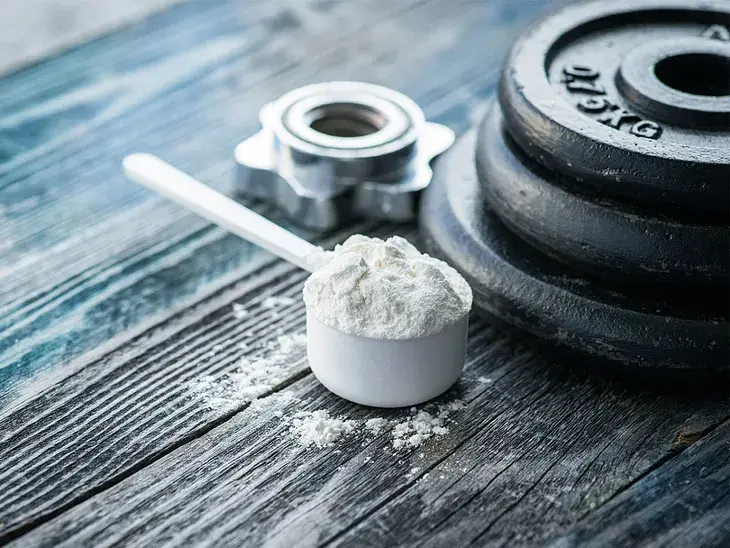
Understanding Creatine Anhydrous Powder and Its Core Benefits
Creatine anhydrous speaks to a chemically refined advancement of conventional creatine supplementation, advertising particular points of interest that expand distant past essential execution improvement. This dried-out frame of creatine (C₄H₉N₃O₂) experiences specialized preparation to expel the water particle display in monohydrate variations, making a more concentrated and steady compound.
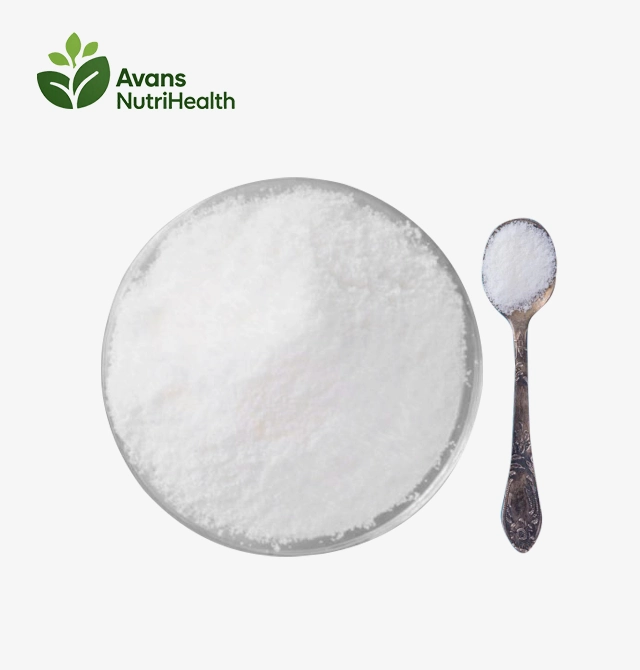
The Creatine Anhydrous Powder of anhydrous creatine gives extraordinary benefits that address basic torment focuses in supplement manufacturing and detailing. With an immaculateness measure of ≥99.9%, this white crystalline powder conveys reliable bioavailability, while keeping up prevalent flowability characteristics fundamental for large-scale generation environments.
Enhanced Potency and Bioavailability
The expulsion of water substance deciphers specifically into quantifiable strength changes that benefit both producers and end-users. Each gram of anhydrous creatine conveys roughly 12% more dynamic compound compared to monohydrate forms, empowering formulators to accomplish wanted adequacy with decreased serving sizes.
Clinical inquiry about illustrates that this improved concentration encourages fast ATP recovery amid high-intensity workouts, supporting advanced control yield and muscle recovery. The expanded bioavailability stems from the compound's diminished atomic weight and improved dissolvability characteristics, which advance speedier retention and cellular uptake.
Manufacturing and Formulation Advantages
The technical properties of anhydrous creatine address several manufacturing challenges common in supplement production. The exceptionally low moisture content (<0.1%) prevents clumping during storage and processing, ensuring consistent powder flow through automated filling equipment.
This stability translates into extended shelf life exceeding 36 months when properly stored, reducing inventory turnover concerns and supporting global distribution networks. The improved flowability characteristics make anhydrous creatine particularly suitable for capsule filling, tablet compression, and powder blend formulations where uniformity is paramount.
Creatine Anhydrous vs Creatine Monohydrate: Detailed Comparison for Procurement Decisions
Understanding the fundamental differences between these creatine variants enables informed procurement decisions that align with specific manufacturing requirements and market positioning strategies. The comparison encompasses chemical properties, performance characteristics, and practical considerations relevant to B2B buyers.
Chemical and Physical Properties Analysis
The essential refinement lies in atomic composition, where creatine monohydrate contains one water molecule (H₂O) per creatine particle, whereas the anhydrous form kills this water molecule completely. This apparently minor contrast makes noteworthy suggestions for item steadiness, strength, and care-taking characteristics.
Creatine anhydrous shows predominant resistance to natural dampness, decreasing the risk of corruption amid capacity and transportation. The improved steadiness becomes especially important in muggy climates or offices missing exact climate control, where conventional monohydrate may encounter quality degradation over time.
Performance and Efficacy Comparisons
Scientific writing shows that both shapes provide comparable ergogenic benefits when appropriately dosed, but anhydrous creatine illustrates a quicker onset of impacts due to upgraded assimilation characteristics. The decreased atomic weight encourages speedier cellular uptake, possibly decreasing stacking stage requirements and quickening muscle saturation.
The Creatine Anhydrous Powder recommends that 3-5 grams of anhydrous creatine can accomplish muscle phosphocreatine immersion levels comparable to higher dosages of monohydrate forms. This proficiency advantage bolsters cost-effective details while keeping up helpful viability measures anticipated in premium supplement products.
Market Positioning and Procurement Considerations
From an obtainment point of view, anhydrous creatine commands a premium price due to extra handling necessities and upgraded specialized determinations. In any case, the expanded strength per gram frequently offsets higher unit costs through decreased dosing requirements and advanced customer awareness of value.
Supply chain contemplations favor anhydrous shapes in markets requesting amplified rack steadiness and resistance to natural challenges. The diminished dampness affectability minimizes quality control dangers amid universal shipping and storage in differing climate conditions.
How to Use and Dose Creatine Anhydrous Powder for Optimal Results?
Effective utilization of creatine anhydrous requires understanding optimal dosing protocols that maximize therapeutic benefits while ensuring safety and consumer satisfaction. These guidelines serve both formulation development and end-user education purposes, supporting comprehensive product positioning strategies.
Dosing Strategies and Protocols
Standard supplementation conventions for creatine anhydrous regularly include two unmistakable stages outlined to optimize muscle creatine stores wwhile maintainingsupported benefits. The stacking stage utilizes higher dosages to quickly accomplish muscle immersion, followed by support dosing to support elevated creatine levels.
Loading stage suggestions propose 15-20 grams every day,y partitioned into 3-4 measurements over 5-7 days, whereas support dosing includes 3-5 grams day by day. The improved strength of anhydrous shapes may permit for diminished stacking measurements compared to conventional monohydrate conventions, giving fetched reserve funds and moved forward shopper compliance.
Formulation Integration and Compatibility
The prevalent solvency characteristics of anhydrous creatine empower consistent integration into different supplement groups counting pre-workout powders, post-exercise recovery drinks, and standalone creatine products. The improved mixability decreases settling issues common with conventional shapes, making strides in buyer involvement and item appeal.
Compatibility testing illustrates fabulous solidness when combined with other performance enhancers, including beta-alanine, citrulline malate, and branched-chain amino acids. This compatibility underpins complex definition advancement focusing on particular athletic execution and recuperation applications.
Storage and Handling Recommendations
Proper capacity conventions guarantee kept up power and quality throughout the product lifecycle. Anhydrous throughoutuires capacity in cool, dry conditions absent from coordinate daylight, with holder fixing to avoid dampness penetration that might compromise moisture.
The upgraded dampness resistance of anhydrous shapes gives more noteworthy resistance for minor capacity varieties, decreasing quality control concerns amid fabricating and dispersion. This soundness advantage underpins worldwide supply chains and amplified dissemination systems without critical quality corruption dangers.
Safety, Side Effects, and Quality Assurance in Creatine Anhydrous Powder Procurement
Comprehensive safety evaluation and quality assurance protocols form the foundation of responsible creatine procurement, ensuring products meet stringent regulatory standards while delivering consistent therapeutic benefits. These considerations become particularly critical for manufacturers serving regulated markets requiring extensive documentation and compliance verification.
Safety Profile and Regulatory Status
Creatine anhydrous maintains an uncommon safety profile backed by decades of clinical research and administrative endorsement over worldwide markets. The compound has been recognized for the most part as having a secure (GRAS) status from pertinent administrative bodies, affirming its reasonableness for use in dietary supplements and functional foods.
Extensive toxicological studies illustrate amazing tolerability with negligible antagonistic impacts detailed in solid populations. The improved immaculateness of anhydrous shapes may really diminish the potential for impurity-related side impacts once in a while related with lower-grade creatine supplements.
Quality Assurance and Certification Requirements
Premium creatine anhydrous sourcing requires confirmation of comprehensive quality certifications counting ISO, HACCP, FSSC22000, and HALAL certifications. These guidelines guarantee reliable fabrication forms, defect prevention, and compliance with international quality standards.
At Avans NutriHealth, our Creatine Anhydrous Powder meets these thorough certification prerequisites while keeping up CAS number 57-00-1 authenticity. The white powder appearance and Chinese beginning give dependable supply chain straightforwardness, whereas in-stock accessibility supports quick fulfillment prequirementsfor critical acquisition needs.
Contamination Prevention and Purity Verification
Advanced explanatory testing conventions confirm the absence of prohibited substances, heavy metals, and microbial contamination that might compromise product safety or regulatory compliance. These testing prerequisites have become especially imperative for producers serving athletic ppopulationssubject to anti-doping regulations.
The pharmaceutical-grade determinations of quality anhydrous creatine incorporate confirmation of molecule size distribution, moisture content, and chemical purity through approved analytical methods. These determinations guarantee reliable execution characteristics and administrative compliance over different showcase applications.
Procurement Guide: Buying Creatine Anhydrous Powder in Bulk for Global B2B Clients
Strategic procurement of creatine anhydrous requires careful evaluation of supplier capabilities, quality standards, and logistical considerations that impact the total cost of ownership and supply chain reliability. This guidance helps procurement professionals navigate complex sourcing decisions while securing optimal value propositions.
Supplier Evaluation Criteria
Successful creatine procurement begins with a comprehensive supplier assessment focusing on manufacturing capabilities, quality systems, and regulatory compliance. Key evaluation criteria include production capacity, certification status, analytical testing capabilities, and track record serving similar market segments.
Manufacturing facility audits should verify Good Manufacturing Practice (GMP) compliance, quality control procedures, and environmental controls that ensure consistent product quality. The supplier's ability to provide comprehensive documentation, including certificates of analysis, stability data, and regulatory compliance verification,n becomes essential for regulated market access.
Quality Standards and Specification Requirements
Technical specifications for bulk creatine anhydrous must address purity requirements, physical characteristics, and performance parameters relevant to intended applications. Standard specifications include minimum purity levels (≥99.9%), moisture content limitations (<0.1%), and particle size distribution suitable for specific formulation requirements.
Batch-to-batch consistency verification ensures reliable product performance and reduces formulation development risks. This consistency becomes particularly important for automated manufacturing processes requiring predictable flow characteristics and dosing accuracy.
Logistics and Supply Chain Considerations
Global procurement requires careful attention to shipping requirements, customs documentation, and storage conditions that preserve product quality during international transportation. Temperature-controlled shipping may be necessary in certain climates to prevent moisture exposure that could compromise product stability.
Lead time planning should account for production schedules, quality testing requirements, and international shipping durations that impact inventory management and production planning. Establishing relationships with suppliers offering flexible delivery schedules and emergency supply capabilities provides additional supply chain security.
Conclusion
Creatine Anhydrous Powder represents a superior choice over traditional monohydrate forms for manufacturers and procurement professionals seeking enhanced potency, improved stability, and superior formulation characteristics. The 12% increase in active compound concentration, combined with exceptional moisture resistance and extended shelf life, delivers tangible advantages that justify premium positioning in competitive supplement markets.
The comprehensive safety profile, regulatory acceptance, and proven efficacy make anhydrous creatine an intelligent investment for companies committed to delivering high-quality performance nutrition products. Strategic procurement from certified suppliers ensures access to pharmaceutical-grade materials that meet stringent quality standards while supporting reliable supply chain operations.
FAQ
What makes anhydrous creatine more effective than monohydrate?
Anhydrous creatine delivers 12% more active compound per gram due to water molecule removal, resulting in enhanced potency and faster absorption. This concentration advantage enables reduced dosing while maintaining equivalent therapeutic benefits.
Is creatine anhydrous safe for long-term use?
Yes, creatine anhydrous maintains the same excellent safety profile as monohydrate forms, with extensive clinical research supporting long-term supplementation safety in healthy populations. The enhanced purity may actually reduce impurity-related concerns.
Hodoes storage requirements differ between anhydrous and monohydrate forms?
Anhydrous creatine offers superior moisture resistance, requiring less stringent storage controls while maintaining stability. This advantage reduces quality control risks during storage and transportation compared to moisture-sensitive monohydrate forms.
What certifications should I look for when procuring creatine anhydrous?
Essential certifications include ISO, HACCP, FSSC22000, and HALAL certifications, along with GMP compliance verification. These standards ensure manufacturing quality, contamination prevention, and regulatory compliance for global market access.
Can creatine anhydrous be combined with other supplement ingredients?
Absolutely, anhydrous creatine demonstrates excellent compatibility with common performance ingredients, including amino acids, vitamins, and other ergogenic compounds. The enhanced stability actually improves the reliability of multi-ingredient formulations.
Partner with Avans for Premium Creatine Anhydrous Powder Solutions
Avans NutriHealth stands ready to support your supplement manufacturing requirements with pharmaceutical-grade Creatine Anhydrous Powder that exceeds industry quality standards. Our ISO, USDA, HACCP, and HALAL certified manufacturing ensures a consistent supply of ultra-pure white powder suitable for health, pharmaceutical, and additive applications. As a trusted creatine anhydrous powder supplier with immediate in-stock availability, we provide comprehensive technical support and competitive pricing structures tailored to global B2B requirements. Connect with our procurement specialists at Lillian@avansnutri.com to discuss bulk sourcing solutions that enhance your product offerings while ensuring supply chain reliability and regulatory compliance.
References
1. Kreider, R.B. et al. "International Society of Sports Nutrition position stand: safety and efficacy of creatine supplementation in exercise, sport, and medicine." Journal of the International Society of Sports Nutrition, 2017.
2. Branch, J.D. "Effect of creatine supplementation on body composition and performance: a meta-analysis." International Journal of Sport Nutrition and Exercise Metabolism, 2003.
3. Buford, T.W.,et al. "International Society of Sports Nutrition position stand: creatine supplementation and exercise." Journal of the International Society of Sports Nutrition, 2007.
4. Rawson, E.S., and Volek, J.S. "Effects of creatine supplementation and resistance training on muscle strength and weightlifting performance." Journal of Strength and Conditioning Research, 2003.
5. Cooper, R., et al. "Creatine supplementation with specific view to exercise/sports performance: an update." Journal of the International Society of Sports Nutrition, 2012.
6. Hultman, E., et al. "Muscle creatine loading in men." Journal of Applied Physiology, 1996.