


Want Stable Supply of Piperine Bulk Powder for Production?
Finding a reliable source of piperine bulk powder doesn't have to stop the work you're doing. When you work with a qualified company that has ISO, BRC, HALAL, KOSHER, and organic certifications, you can be sure of consistent quality, clear supply chains, and compliance support that is specific to cosmetic, nutraceutical, and pharmaceutical formulations. Dependable sellers keep a store all year long, backed by cutting-edge extraction technologies and strict quality control. This way, your production lines will never have to deal with sudden shortages or batch differences.
Understanding Piperine Bulk Powder and Its Market Demand
What Makes Piperine a Critical Ingredient
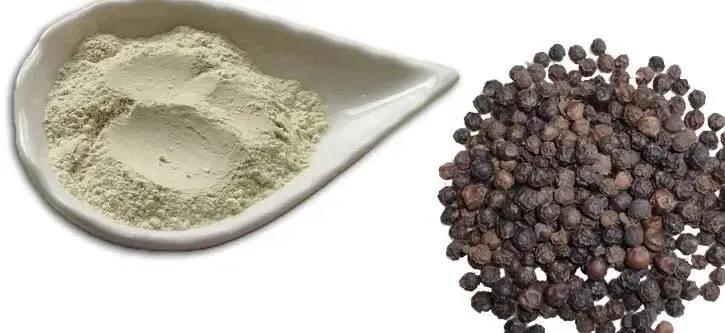
Piperine is an alkaloid compound that is taken from black pepper (Piper nigrum). It is the main bioactive ingredient that gives pepper its characteristic spiciness. This crystallized material is made up of colorless, monoclinic prisms that melt at 130 to 133°C. While the chemical dissolves very easily in ethanol, chloroform, and acetic acid, it is almost impossible to dissolve in water. This affects how it is used in many different businesses. Piperine levels in black and white pepper are usually between 5 and 9 percent, but they can sometimes reach as high as 11 percent. Scientists have written a lot about this natural alkaloid's many medical benefits, such as its ability to fight free radicals, reduce inflammation, boost the immune system, fight fat, and protect the heart, brain, and liver. Piperine is a useful ingredient that does more than just improve taste because it has so many different biological functions.
Growing Industrial Applications Driving Demand
More and more, the pharmaceutical industry is realizing that piperine can be used as a bioenhancer. This process is sometimes called "piperidinization" in the drug research world. Researchers have found that piperine makes it much easier for nutrients like curcumin (by up to 2000%), coenzyme Q10, and B vitamins to be absorbed. This is done by blocking drug-metabolizing enzymes and opening up the intestines more. This bioavailability-increasing trait is very important to companies that make nutraceuticals. When mixed with turmeric pills, piperine turns curcumin, which isn't easily taken, into a very useful medicine. Because these two things work well together, the market for combining products that help with inflammation and antioxidants has grown a lot. The cosmetics industry is studying piperine's anti-aging and antioxidant qualities for use on the skin. Food and drink makers use it as a natural spice and functional additive. Producers of animal feed use piperine to help animals absorb nutrients better in their feeding plans. This demand from different industries puts pressure on the supply chain, which makes solid buying relationships more valuable.
Supply Chain Stability Challenges
Changes in agriculture have a direct effect on the supply of piperine bulk powder. In tropical areas, growing black pepper relies on certain weather conditions. This makes crops subject to changes in the weather, pests, and the seasons. Unexpected supply problems can be caused by geopolitical factors affecting major producing countries like India, Vietnam, and Indonesia. The choice of extraction method affects both the regularity of the yield and the purity of the end product. Manufacturers who use supercritical CO₂ extraction usually get higher purity levels than those who use traditional solvent-based methods, but it costs more to make. Professionals in procurement have to weigh these quality concerns against program needs and price limitations.
Key Factors Affecting the Stable Supply of Piperine Bulk Powder
Raw Material Sourcing and Agricultural Considerations
It takes about three years of pepper farming before the trees are fully grown and ready to produce peppers. This means that there are long delays between planting choices and changes in market supply. Traditional growing areas are becoming less predictable because of climate change. Changes in rainfall trends and high temperatures are lowering food yields. As customers expect more information about how crops are grown and how they affect the environment, sustainable sourcing programs have a bigger effect on the supply chain. The need for organic approval makes getting raw materials more difficult. Organic pepper costs more than regular pepper, but it comes from farms that don't use pesticides. Having suppliers who work with approved organic farms gives purchasing teams access to materials that meet the strict rules needed in controlled markets in North America, Europe, and the Middle East.
Extraction Technology and Quality Consistency
Using ethanol or other organic solvents for solvent-based extraction is a standard method that can be used on a large scale and saves money. Piperine ratios of 95–98% are usually reached through these methods, which are good for most commercial uses. But worries about residual solvents mean that more steps need to be taken to clean and test the finished goods to make sure they meet medicinal and food-grade standards. With supercritical CO₂ extraction technology, the purity levels are often higher than 98%, and there are no worries about leftover solvents or damage to the environment. This method keeps the chemical structure of the substance intact while letting target alkaloids be extracted selectively. Because of the bigger investment needed for this technology, products cost more, but many people who make medicines and supplements think that the higher price is worth it because it ensures better quality.
Regulatory Compliance and Certification Requirements
Botanical products are regulated in different ways in different international markets. The REACH (Registration, Evaluation, Authorization, and Restriction of Chemicals) law in the European Union requires detailed records of all chemical substances that come onto the market. Piperine is put into different groups by the US Food and Drug Administration (FDA) based on its intended use, such as a nutrient in food or supplements, or as a part of medicines. Certification standards are important quality indicators that buyers use to judge a supplier's work. ISO 9001 certification shows that a quality management system is being followed, and ISO 22000 certification talks about managing food safety. Brand Reputation Compliance (BRC) certification is becoming more and more important for suppliers who work with big brand customers who have strict standards for sellers. With HALAL and KOSHER approvals, you can reach customers who follow religious food rules.
Logistics and Distribution Infrastructure
Because of how it's made, piperine needs to be packaged and stored in a certain way. The combination stays solid in the right conditions, but it needs to be kept away from water, extreme heat, and direct sunlight. For foreign shipping of bulk powder, it is common to use multi-layer packing with moisture barriers and inert gas flushing to keep the powder from oxidizing. Different countries have very different customs approval processes. Different countries need different kinds of paperwork, like certificates of analysis, phytosanitary certificates, and country-of-origin statements. Experienced sellers stay up to date on these rules and regulations and offer complete paperwork packages that make customs processes easier. When coordinating production plans, managing lead times is very important. For example, it usually takes 4 to 8 weeks for foreign shipments to arrive after an order is placed, based on the logistics infrastructure at both the start and destination.
Comparing Piperine Bulk Powder Solutions for Your Production Needs
Piperine Versus Alternative Bioenhancers
There are a lot of competing ingredients on the market for bioavailability improvement, and each one has its own pros and cons. Piperine stands out because it has been proven to work in a lot of studies, especially when it comes to the absorption of curcumin, where clinical studies show steady, huge changes. Black pepper extract that has been standardized to contain piperine is appealing because it comes from natural sources, which fits with the clean-label marketing of the product. Synthetic bioenhancers can be cheaper in some situations, but they have trouble getting accepted by consumers in places where natural products are becoming more popular. Synthetic replacements may be okay for pharmaceutical uses, but plant sources are usually better for nutraceutical and food uses. Different choices have different regulatory statuses. Piperine has long-standing GRAS (Generally Recognized as Safe) status in food applications and a lot of safety documents.
Bulk Powder Versus Finished Formats
The main benefit of buying piperine bulk powder is that it gives manufacturers more freedom in how they make things. Piperine can be put into a variety of formulations, such as pills, tablets, drinks, topical creams, and useful foods, depending on the needs of the product. This flexibility is especially helpful for businesses that have a lot of different products or are always putting out new formulas. Finished product forms, such as pills that are already filled or standardized tinctures, are convenient, but they limit the creativity of the recipe. Contract makers or brands that don't have a lot of in-house skills may be interested in finished forms, even though they cost a lot more per dose. When buying powder in bulk, you get better economies of scale for medium to large production volumes. The price benefits become more noticeable when the annual amounts go over 100 kilos.
Supplier Evaluation Criteria
Operational openness tells the difference between great providers and average ones. Leading makers give a lot of information about where their raw materials come from, how they are extracted, how they check for quality, and how stable their products are. Site auditing lets purchasing teams or outside inspectors check on production methods, which is something that more and more pharmaceutical and big nutraceutical brands need to do. The ability to provide technical help has a big effect on the success of creation. Suppliers with skilled technical teams can help with problems with solubility, improving stability, and meeting regulatory paperwork needs. This way of working together is especially helpful when making new applications or figuring out how to operate in legal situations that are complicated across multiple markets. How well your source relationships can grow with your business depends on how much your business can produce and how easily it can be expanded. Companies that can make more than 1,000 tons of goods a year show that they have invested in their facilities and are operationally mature. But sometimes, smaller, more specialized makers can offer benefits that larger ones can't, like the ability to customize and give each customer more personal care.
Best Practices for Procuring Piperine Bulk Powder in Bulk
Strategic Inventory Management
Just-in-time stocking methods lower keeping costs but make it more likely that there will be problems with the supply chain. Most people in charge of purchasing piperine ingredients keep 3-6 months of safety stock on hand. This is done by combining the need to save money on working capital with the need to ensure supply security. Seasonal buying can help you get better prices during high harvest times, when there are lots of raw materials available and prices tend to drop. Accurately predicting demand has a direct effect on optimizing supplies. Planning together with the sales and production teams helps make sure that the timing of purchases matches the real trends of use. For many manufacturers, quarterly purchasing deals with staggered delivery plans are the best way to get the best of both worlds when it comes to price power and inventory freedom.
Pricing Structures and Negotiation Strategies
When buying piperine bulk powder, making a promise to buy in bulk can lead to big price breaks. Prices from suppliers are usually set up in levels, with big discounts at 100 kg, 500 kg, and 1,000 kg yearly volume levels. Multi-year supply deals can sometimes offer extra discounts on top of the budget stability and supply security they offer. The terms of payment have a big effect on the total cost of buying. When selling plant extracts internationally, the standard terms are usually a 30–50% fee, with the rest due when the goods arrive or are shipped. In new business relationships, letter of credit agreements protect both parties. However, once a partnership is formed, open account terms are often used to better handle cash flow.
Before finishing purchase contracts, quality standards must be made clear and agreed upon by both parties. Specifications should include things like the percentage of piperine, the maximum amount of heavy metals that can be present, the number of microbes, the amount of leftover liquid, and the distribution of particle sizes. Testing methods should also be clearly explained. At this stage of the specification process, there are often differences between what the buyer wants and what the seller understands. This is why it's important to have detailed conversations before making a promise.
Supplier Relationship Development
Long-term relationships have perks that go beyond lower prices for one-time deals. When the market gets tight, having established ties with trusted manufacturers gives you an edge when it comes to allocating resources. When suppliers are sure they will be doing business with you again, they are more likely to put money into customization and expert support. Communication standards set rules for when to acknowledge an order, give reports on production, let people know when an item is shipping, and solve problems. Reviewing the business on a regular basis gives everyone a chance to talk about market trends, new products, and ways to make the process better, which is good for everyone.
Ensuring Product Quality and Safety in Piperine Bulk Powder Supply
Quality Control Protocols and Testing Requirements
Reputable makers send full proof of analysis paperwork with every batch of their products. As a minimum, testing protocols should include measuring the amount of piperine in the sample using HPLC (High-Performance Liquid Chromatography), checking for heavy metals like lead, cadmium, mercury, and arsenic, and checking for microbes like yeast, mold, and certain pathogens. If necessary, residual solvent analysis should also be done based on the extraction method. Third-party laboratory verification gives you even more peace of mind about the product than testing by the seller. Many people who work in procurement do verification tests regularly, sending samples to independent labs to make sure the seller's certificate is correct in the piperine bulk powder supply. This method finds possible changes in quality and shows regulatory officials and quality inspectors that proper care was taken.
Traceability tools make it possible to track a product from the time it is made to the time it is distributed. Advanced suppliers keep electronic record systems that connect each output lot to a specific batch of raw materials, a date of processing, the tools used, and the people who worked on it. This tracking is very important for quality checks and meets the needs of regulators in the food and drug businesses.
Regulatory Compliance and Documentation
In the US, dietary supplement applications are governed by the Dietary Supplement Health and Education Act (DSHEA). This law says that piperine is a plant ingredient that must meet certain identity, purity, strength, and makeup standards. Manufacturers must keep records that show the safety of their ingredients and the truth of their label claims. According to the European Union novel food rules, piperine uses and percentage amounts need to be carefully looked at. Traditional use of whole black pepper makes it clear that it is a normal food, but strong extracts may draw more attention to it. Suppliers with a lot of experience stay up to date on the latest regulations for these complicated needs and can give advice that is right for each market.
In customer requirements, allergen declarations and GMO status documents show up more and more. Even though Piperite doesn't contain any allergens, the risks of cross-contamination during handling need to be looked at. Even though genetic modification technology isn't used to grow black pepper yet, non-GMO certification takes into account what the market wants.
Safety Considerations and Dosage Guidelines
Piperine is safe in a wide range of dosages, with 5 to 20 mg per dose being the most common supplement amounts. Pharmaceutical co-administration uses higher amounts sometimes, but the possibility for drug interactions needs to be carefully looked at. Piperine increases absorption by blocking certain cytochrome P450 enzymes and P-glycoprotein transport systems. This can change how medicines are broken down. Women who are pregnant or breastfeeding should be extra careful when taking piperine supplements. There are no safety issues about using strong supplements in food, but there isn't a lot of information about their effects on these groups. Responsible manufacturers put warning labels on their products and give dosage instructions that are in line with what scientists know now. Good providers give full safety data sheets (SDS) that include handling instructions, storage needs, and how to handle an emergency. When handling bulk powder, basic safety measures must be taken to avoid breathing in dust and getting it in your eyes. Standard personal protective equipment is enough for industrial working settings.
Conclusion
To find a reliable piperine bulk powder provider, you need to carefully look at their skills, quality processes, ability to follow regulations, and openness about how they run their business. Strategic sourcing relationships are becoming more valuable as market demand rises in the food, cosmetics, nutraceuticals, and pharmaceutical businesses. When procurement professionals take the time to learn about extraction technologies, approval standards, and the dynamics of the supply chain, they set their companies up to always have access to high-quality materials that can keep production plans on track. When you work with certified makers that offer full technical support, strict quality control, and flexible production capacity, piperine buying goes from being a transactional purchase to a strategic competitive advantage.
FAQ
What are typical lead times for bulk orders?
Standard lead times for piperine bulk powder range from two to four weeks for materials that are already in stock to six to eight weeks for custom orders that need new production runs. International shipping can take an extra two to four weeks, based on where it's going and how quickly it can be cleared through customs. Established providers who keep extra stock can often meet urgent needs by speeding up processes and setting up air freight, but at higher costs.
How can buyers verify compliance with industry standards?
Reputable makers offer full paperwork packages that include up-to-date copies of certifications (ISO, BRC, HALAL, KOSHER, and Organic), certificates of analysis for each batch, third-party testing results, and letters of regulatory status. Many pharmaceutical and big nutraceutical buyers do pre-qualification audits on new sellers before they are approved, which is the most reliable way to check their credentials.
What minimum order quantities apply to wholesale transactions?
Different suppliers have different minimum order numbers, but for first orders, they are usually between 25 and 100 kilograms. Many companies lower their minimum orders for test samples or small production runs, and they can sometimes take orders as low as 1 to 5 kilograms at a different price. Because of long-term relationships and volume promises, minimum requirements are often not needed at all. This gives customers the freedom to order what they need based on their real production needs.
Partner with Avans for Reliable Piperine Bulk Powder Supply
Avans NutriHealth Co., Ltd. offers high-quality manufacturing and complete supply chain solutions that are specifically designed to meet the needs of companies that make medicines, supplements, and cosmetics. Our ISO, BRC, HALAL, KOSHER, and organic-certified factories can produce more than 1,000 tons of goods every year, so they're always available no matter how many orders come in. With more than 100 skilled workshop workers and an experienced research and development team, we can deliver piperine bulk powder that meets the strictest quality standards and help you with technical issues as you build your formula.
Our dedication goes beyond just delivering the product; it also includes individual advice on the best ways to remove the product, help with regulatory paperwork, and custom packing options. As a producer of piperine bulk powder that is vertically integrated, we have full control over quality from choosing the raw materials to finishing the product. This means that no variability in the middle could affect the uniformity. Email our purchasing agents at Lillian@avansnutri.com to ask for samples, talk about your unique needs, and find out how our supply relationship can help you make your production more efficient and improve the quality of your products.
References
1. Srinivasan, K. (2007). Black pepper and its pungent principle—piperine: a review of diverse physiological effects. Critical Reviews in Food Science and Nutrition, 47(8), 735-748.
2. Shoba, G., Joy, D., Joseph, T., Majeed, M., Rajendran, R., & Srinivas, P. S. (1998). Influence of piperine on the pharmacokinetics of curcumin in animals and human volunteers. Planta Medica, 64(4), 353-356.
3. Meghwal, M., & Goswami, T. K. (2013). Piper nigrum and piperine: an update. Phytotherapy Research, 27(8), 1121-1130.
4. Butt, M. S., Pasha, I., Sultan, M. T., Randhawa, M. A., Saeed, F., & Ahmed, W. (2013). Black pepper and health claims: a comprehensive treatise. Critical Reviews in Food Science and Nutrition, 53(9), 875-886.
5. Atal, C. K., Dubey, R. K., & Singh, J. (1985). Biochemical basis of enhanced drug bioavailability by piperine: evidence that piperine is a potent inhibitor of drug metabolism. Journal of Pharmacology and Experimental Therapeutics, 232(1), 258-262.
6. Haq, I. U., Imran, M., Nadeem, M., Tufail, T., Gondal, T. A., & Mubarak, M. S. (2021). Piperine: A review of its biological effects. Phytotherapy Research, 35(2), 680-700.
