


Searching for Standardized Silymarin Powder Price Online?
When formulators and buying managers look for a standardised silymarin powder price, they quickly learn that the market is not as easy as a cost-per-kilogram number. Depending on the extraction technique, assay standardisation, certification status, and provider skills, the silymarin powder price can vary greatly. Knowing about these factors helps business-to-business buyers deal well while making sure that product specs match manufacturing needs. This complete guide takes the mystery out of pricing systems and provides you with useful information to help you make better buying choices in the cosmetics, nutraceuticals, and pharmaceutical fields.
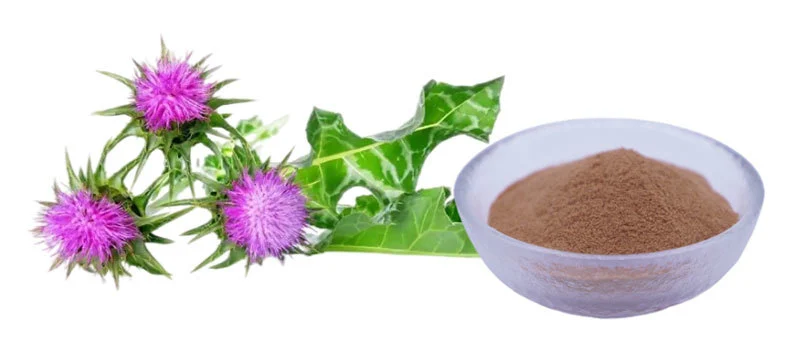
Understanding Silymarin Powder Prices: Key Factors and Trends
There are many different factors in the market for standardised silymarin powder that affect end prices. These include where the raw materials come from, how they are made, and the global supply chain. When buyers are handling this market, it helps to know how these factors affect price differences.
Raw Material Quality and Standardisation Levels
Milk thistle seeds, which are a plant source of silymarin, are carefully processed to get certain standardised amounts. Standardised extracts with 80% total silymarin, as determined by UV analysis, are the standard in the business. However, HPLC-standardised powders with 50–60% silybin content are pricier because they require more complex analytical proof. The extraction solvent affects both the product's cost and its market position. For example, acetone produces higher amounts of silybin, while ethanol-based methods are better for use in organic-certified products. Organic-certified silymarin powder usually costs 25–40% more than regular grades because it has to be grown under strict rules, has to go through expensive audits by a third party, and is harder to find. Suppliers with USDA Organic, EU Organic, or similar approvals pass these costs on to buyers. However, this investment is worth it when we make goods for health-conscious consumers.
Geographic Manufacturing Considerations
Chinese companies make most of the world's silymarin powder. They do this by using modern extraction technology and established networks for growing milk thistle. The costs of making things in China are lower because of economies of scale. The biggest factories make 1,000 tons of goods every year. European and North American sellers usually charge 30–50% more for their goods because of higher labour costs and the costs of following area rules. Logistics of transportation have a big effect on landing costs. Rates for sending containers change with the seasons, but air freight is still too expensive for most shipments, except for pressing sample shipments. When comparing foreign suppliers, smart buying teams look at the total cost of delivery instead of the price at the factory.
Market Pricing Benchmarks
Standardised silymarin powder (80% UV, pharmaceutical grade) costs between $85 and $140 per kilogram for sales of 100 to 500 kg. Prices go down as the number goes up. High-quality silybin isolates (≥98% HPLC) cost between $280 and $450 per kilogram. All standards cost $30 to $60 more per kilogram for organic varieties. These numbers indicate that the milk thistle harvest is stable in the main growth areas. In the past, crop failures caused price spikes that went over $200 per kilogram. This evidence shows how important it is to build ties with sellers and keep a variety of raw material sources.
Comparative Value Against Alternative Extracts
Compared to other plant products that protect the liver, silymarin powder has similar benefits. Artichoke extract with 2.5% cynarin usually costs between $65 and $95 per kilogram, while dandelion root extract with a 4:1 concentration costs between $40 and $70 per kilogram. Even though silymarin seems pricier at first, its higher bioactive concentration and large body of clinical evidence support its special placement in finished products meant to improve liver health.
A B2B Buyer's Guide to Selecting Quality Silymarin Powder at the Right Price
For procurement to be excellent, cost goals must be balanced with quality, security and source dependability. Strategic buyers come up with organised ways to evaluate things that go beyond just getting price quotes.
Defining Your Procurement Requirements
Make sure you understand the technical details and the expected number before you ask for quotes. Figure out if your recipe needs UV-standardised silymarin (beneficial for most food supplements) or HPLC-verified silybin content (needed for pharmaceutical uses). Find out what certifications—HALAL, KOSHER, Organic, or BRC—are needed and how they fit with your brand image and the people you want to sell to. Predicting volume has a direct effect on negotiating prices. Suppliers give big discounts for orders of 500 kg or more, and the best prices happen for orders of 1,000 kg or more. When compared to buying things on the spot, annual supply deals that include packages every three months can save you 8 to 15 per cent while keeping your budget stable.
Minimum Order Quantities and Bulk Discounts
Most reliable providers of silymarin powder set their minimum order quantities (MOQs) between 25 kg and 100 kg, but they can be lowered for repeat customers or trial orders. The economic reason is the need for large batches and strict quality control rules, which make smaller amounts expensive. At certain levels, the benefits of buying in bulk become clear. When sales go from 100 kg to 500 kg, unit costs usually go down by 12–18%. If you commit to buying more than 1,000 kg a year, you can save an extra 10–15%. These savings come from less work being done on packing, better planning of production, and lower overhead costs per unit.
Evaluating Supplier Credibility and Certification Transparency
Comparing prices isn't the only way to choose a supplier. When it comes to manufacturing, you should look at ISO 9001 quality control systems, BRC food safety standards, and, if necessary, organic certificates. These qualifications show that the business is operationally mature and has a compliance framework that supports consistent product quality. Ask for Certificate of Analysis (COA) paperwork for the most recent production batches to make sure that the test results match what the standard says they should be. Suppliers with a good reputation make heavy metal tests, microbial analysis, pesticide residue screening, and leftover solvent proof easy to get. When people give vague answers about testing methods, it could mean that there are problems with quality control. Referrals from other businesses and satisfied customers are great ways to show that you can be trusted. Suppliers who work with well-known cosmetics, nutraceutical, or pharmaceutical businesses have shown they can do their jobs in controlled settings with strict quality standards.
Interpreting the Price-Quality Relationship
When the price is very low, quality often suffers. If the silymarin powder isn't up to par, it might have less silybin than what's written on the package, too many solvents left over, or not meet microbial standards. These flaws cause problems with later production, risks with following rules, and possible damage to a brand's image that far outweighs any original cost savings. On the other hand, higher prices should be linked to proven quality benefits, such as higher bioavailability through particle size optimisation, better stability profiles, or unique certificates. Request a detailed explanation for the price increases and assess whether these features are genuinely useful for your application.
Practical Application and Dosage: How Usage Influences Purchasing Decisions
Knowing how silymarin powder works in its final uses helps with smarter purchasing decisions that improve both product performance and cost-effectiveness.
Dosage Guidelines and Cost-Per-Dose Calculations
Based on clinical studies, silymarin doses of 140 to 420 mg per day help support liver health. Standardised extracts containing 80% silymarin provide 112 to 336 mg of active compounds per serving. Higher therapeutic amounts, up to 560 mg per day, may be used in pharmaceutical uses for treating acute liver conditions. Figuring out cost-per-dose measures makes budgeting easier. The 80% uniform powder costs $110 per kilogram, which means that each 280 mg dose (which contains 224 mg of active silymarin) costs about $0.03 in raw materials. This estimate does not include encapsulation, extra ingredients, or production overhead. However, it does set standard cost models that can be used for financial planning. The amount needed goes up or down straight with the number of planned production runs. To make 100,000 capsules with 280 mg of silymarin powder each, 28 kg of raw materials are needed. This is an easy-to-acquire amount that fits within standard MOQ limits and qualifies for modest bulk prices.
Industrial Application Considerations
Pharmaceutical companies need the purest ingredients and usually buy HPLC-standardised powders that meet the standards of the USP or European Pharmacopoeia monographs. These uses can charge more because they need to meet strict legal paperwork requirements and batch-to-batch consistency standards. Nutraceutical brands choose UV-standardized 80% silymarin powder because it is effectively available and widely available at reasonable prices. Successful dietary supplement products focus on increasing absorption through phospholipid complexation or micronisation methods that make up for the fact that silymarin doesn't dissolve well in water. Cosmetics use silymarin's antioxidant qualities to make formulas that protect the skin and slow down the aging process. In these fields, lower inclusion rates (0.5–2% in finished goods) are common. This means that smaller purchases are more cost-effective, and we emphasise solubility-modified grades that work with emulsion systems. Because silymarin is hydrophobic and tastes a little bitter, it presents special problems for people who are making functional foods and drinks. Specific silymarin powders that dissolve in water cost 30–50% more than regular ones, but they can be added to drinks without having to go through a lot of changes.
Quality Impact on Product Performance and Brand Reputation
Bad silymarin powder might have less silybin in it because it wasn't stored or processed properly, which directly hurts its healing effectiveness. Products made with low-quality ingredients are more likely to get complaints from customers, bad reviews, and even attention from regulators. Buying silymarin powder from approved suppliers that have been checked for quality helps protect a brand's image and keeps products working well. This quality assurance is especially important for brands that want to build trust with customers in the competitive nutraceutical market, where promises of effectiveness are what set successful goods apart.
Where and How to Buy Silymarin Powder Online: Procurement Strategies?
Digital avenues of procurement have changed business-to-business sourcing, giving buyers access to global sellers like never before while also creating new evaluation challenges.
B2B Marketplace Platforms and Direct Manufacturer Relationships
Well-known business-to-business sites like Alibaba, Made-in-China, and specific ingredient markets make it easier to find suppliers and get in touch with them. These platforms help buyers compare prices and make sure that the supplier is legitimate, but buyers should check the credentials of the seller on their own instead of depending only on the platform's reviews. Trading companies aren't as good as having direct ties with producers. Manufacturers offer more price options, professional help from research and development teams, and the ability to make changes to meet unique needs. Instead of using third-party suppliers, they keep quality control over the whole production process. When you're looking at suppliers online, make sure you ask for video tours of the facilities, proof of the production process, and direct contact with expert staff. These exchanges show that professional manufacturers are different from commodity traders because they are more operationally sophisticated and committed to being open and honest.
Total Cost Evaluation Including Logistics
Ex-works or FOB terms, which exclude foreign shipping, customs taxes, and local delivery, are usually reflected in published silymarin powder prices. To find the real landed prices, a full cost study takes these things into account. The prices of shipping goods internationally change a lot depending on the size, urgency, and route. Usually, sea freight adds $2 to $4 per kilogram to the landing cost of a 500 kg package. For smaller shipments by air, the cost may go over $15 to $25 per kilogram. When multiple ingredient orders are combined by consolidation services, freight costs are minimised. When silymarin powder from HS Code 1302.19 comes into the United States, it is subject to minimal import taxes. However, proper paperwork is needed by law. Customs clearance is sped up when you work with sellers who know how to export and freight forwarders who specialise in plant ingredients.
Negotiation Strategies for Volume Commitments
Suppliers offer better prices to buyers who show they are committed by making bulk promises or multi-year deals. When you're bargaining, focus on projected yearly volume rather than order sizes. This will show that your account is strategically valuable. Ask for tiered price plans that show how costs go down at certain volume levels. This openness lets you strategically set the size of your orders so that you get the biggest discounts possible while also keeping an eye on your working capital and stocking costs. The terms of payment have a big effect on the total cost of purchase. If a supplier offers net-30 or net-60 terms, it can help your cash flow, but you may have to pay an extra 2% to 3% in price. On the other hand, buyers with good cash flow can often get 3-5% savings by arranging for advance payment or a letter of credit.
Brand Spotlight and Supplier Pricing Comparison
There are different types of companies that supply silymarin powder prices, such as global ingredient providers, specialised botanical extract makers, and vertically integrated producers that offer different benefits.
Established International Suppliers
Nature's Way and NOW Foods are well-known brands in the market for finished supplements, but they don't make silymarin powder themselves; they mostly buy it from other companies. Their B2B ingredient groups offer dependability and help with regulations, but because of transportation costs, they usually charge 15–25% more than manufacturers. Specialised companies that make plant extracts, like Indena (Italy) and Euromed (Spain), are able to charge high prices by using their own extraction methods and a lot of clinical evidence. Their silymarin complexes with phospholipids for better bioavailability are worth 40–60% more for brands that focus on using ingredients that have been proven by science.
Chinese Manufacturing Leaders
There are a lot of skilled silymarin powder makers in China's botanical extract business. They run certified facilities that can make a lot of powder. Leading makers keep their yearly outputs above 500 tons, which ensures a steady supply and reasonable prices. Standardised silymarin powder from these companies usually costs between $85 and $120 per kilogram for material that is pharmaceutical-grade and meets international pharmacopoeia standards. Their competitive benefits come from the fact that they have integrated supply lines that control the whole process, from growing the milk thistle to extracting it. This keeps costs down for the raw materials and ensures quality throughout production.
Building Long-Term Supplier Partnerships
Strategic shopping puts more emphasis on building relationships than on buying things. Suppliers put money into helping key accounts by working together technically, making sure that standards are met exactly, and giving priority to certain production schedules when supplies are low. Make your quality standards clear while also taking into account how things are made. Suppliers like buyers who know about production wait times, the costs of batch sizes, and the rules for testing protocols. This mutual respect is the basis for getting special treatment when the market is down or there aren't enough resources. Regular contact keeps relationships strong even when there aren't any current sales. Reviewing the business every three months, visiting the plant, and working together to solve problems builds trust, which leads to better pricing, payment terms, and supply security when the market gets tight.
Conclusion
To figure out the silymarin powder price, you need to know about the technical, business, and organisational factors that affect how much things cost along global supply lines. Competitive price, quality assurance, seller trustworthiness, and total cost factors, such as transportation and payment terms, are all important parts of successful business-to-business buying. Instead of just looking at the first price quotes, strategic buyers make thorough evaluation models that look at things like standardisation methods, licensing status, and provider capabilities. Building long-term relationships with dependable makers gives you long-term competitive benefits through better prices, stable supplies, and working together on technology. Putting in the time and effort to carefully evaluate suppliers and build relationships with them pays off in terms of consistent products, following the rules, and protecting the brand's image.
FAQ
How does silymarin powder pricing compare to other hepatoprotective herbal extracts?
Silymarin powder usually costs more than popular plants that help the liver, like dandelion root extract or artichoke extract. This is because it has more bioactive flavonolignans and more clinical research behind it. Milk thistle extract may seem 40–60% more expensive per kilogram, but because it is more effective, lower inclusion rates are needed to get the same or better cost-per-dose economics. There is strong scientific proof that silymarin works, which supports its premium placement in formulations where proven success builds brand identity and customer trust.
What impact do minimum order quantities have on unit pricing?
Across the silymarin powder supply chain, minimum order amounts are directly linked to price levels. Suppliers usually set MOQs between 25 kg and 100 kg to get the most out of production and quality control. When buyers reach 500 kg, they usually get 12–18% off the minimum order price, and when they commit to buying more than 1,000 kg a year, they get another 10–15% off. These price cuts based on volume are due to economies of scale in batch production, less work being done on packing each unit, and less money being spent on costs. Strategic sellers correctly predict what they will need each year so that they can get the best prices and keep an eye on their inventory costs.
Does organic certification justify the price premium for bulk purchases?
Organic-certified silymarin powder costs 25–40% more than regular silymarin powder. This is because of strict farming rules, third-party certification audits, and a lack of supply. Whether this investment pays off rests on how you place your business and what customers expect from you. Products aimed at health-conscious people, stores that sell natural products, or European markets where people really like organic products often make back their higher costs by improving how people see the brand and making them less sensitive to price changes. On the other hand, pharmaceutical uses, or mass market goods that need to be competitive on price, may find that regular high-quality silymarin powder gives them the same performance at a better price.
Request Your Competitive Silymarin Powder Price Quote from Avans Today
Avans NutriHealth Co., Ltd. is ready to be your reliable source for silymarin powder. They offer top-notch manufacturing along with full technical support that is suited to your specific formulation needs. Our plant keeps up with certifications like ISO, HALAL, KOSHER, BRC, and organic standards, which make sure that it obeys the rules in all controlled markets around the world. With a dedicated R&D team and production capacity of more than 1,000 tons per year, we offer reliable supply and reasonable prices for orders ranging from initial trials to full-scale commercial production. Our silymarin powder price is manufactured to strict standards and comes in 80% UV and HPLC-verified grades. It is backed up by full COA documentation and residue solvent analysis. Email Lillian@avansnutri.com to talk to one of our procurement experts about your unique sourcing needs, number forecasts, and certification needs. Because we know that great ingredients are the basis for great products, we'll give you clear price plans that represent the true costs of delivery, along with technical advice that will help you make the best formulas.
References
1. European Medicines Agency. "Assessment Report on Silybum marianum (L.) Gaertn., Fructus. " Committee on Herbal Medicinal Products, 2018.
2. Abenavoli, L., Capasso, R., Milic, N., & Capasso, F. "Milk Thistle in Liver Diseases: Past, Present, Future." Phytotherapy Research, Vol. 24, No. 10, 2010, pp. 1423-1432.
3. United States Pharmacopeial Convention. "Silymarin Extract Monograph." USP 43-NF 38, 2020.
4. Wellington, K. & Jarvis, B. "Silymarin: A Review of its Clinical Properties in the Management of Hepatic Disorders. "BioDrugs, Vol. 15, No. 7, 2001, pp. 465-489.
5.Kroll, D.J., Shaw, H.S., & Oberlies, N.H. "Milk Thistle Nomenclature: Why It Matters in Cancer Research and Pharmacokinetic Studies." Integrative Cancer Therapies, Vol. 6, No. 2, 2007, pp. 110-119.
6. Karimi, G., Vahabzadeh, M., Lari, P., Rashedinia, M., & Moshiri, M. "Silymarin: A Promising Pharmacological Agent for Treatment of Diseases." Iranian Journal of Basic Medical Sciences, Vol. 14, No. 4, 2011, pp. 308-317.
